

Warm-season grasses originate from tropical areas and do well in hot sun and temperatures between 24°C and 33°C (75–90°F).
Since most warm-season grasses go dormant and turn brown over the winter when temperatures are constantly under 16°C (60°F), they are often overseeded with perennial rye grass (Lolium perenne). Rye grass is a cool-season grass that will stay green throughout the cool winter months, while warm-season grasses turn brown. In the spring, when the warm weather returns, the warm-season grass will green up, and eventually, when the temperatures get warm enough, the Lolium perenne will die off.
 Khalifa International Stadium
Turf grown in transition zones and areas where only warm-season grasses can thrive has special nutritional and physiological needs and must be cultivated slightly differently from cool-season grasses.
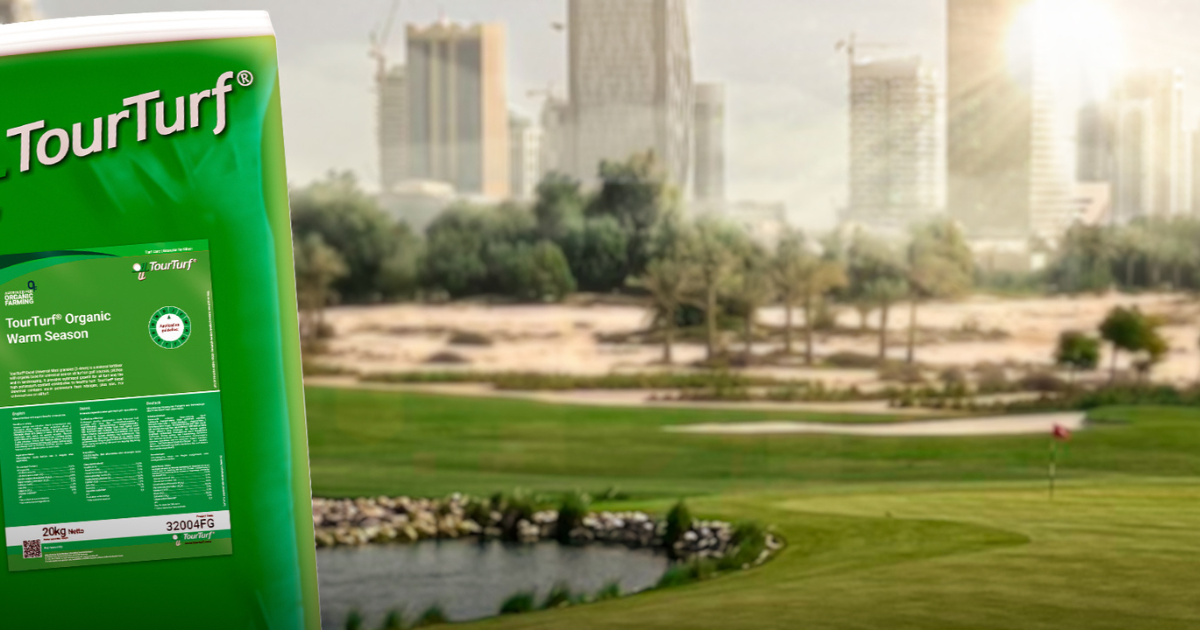
 Doha Golf Club
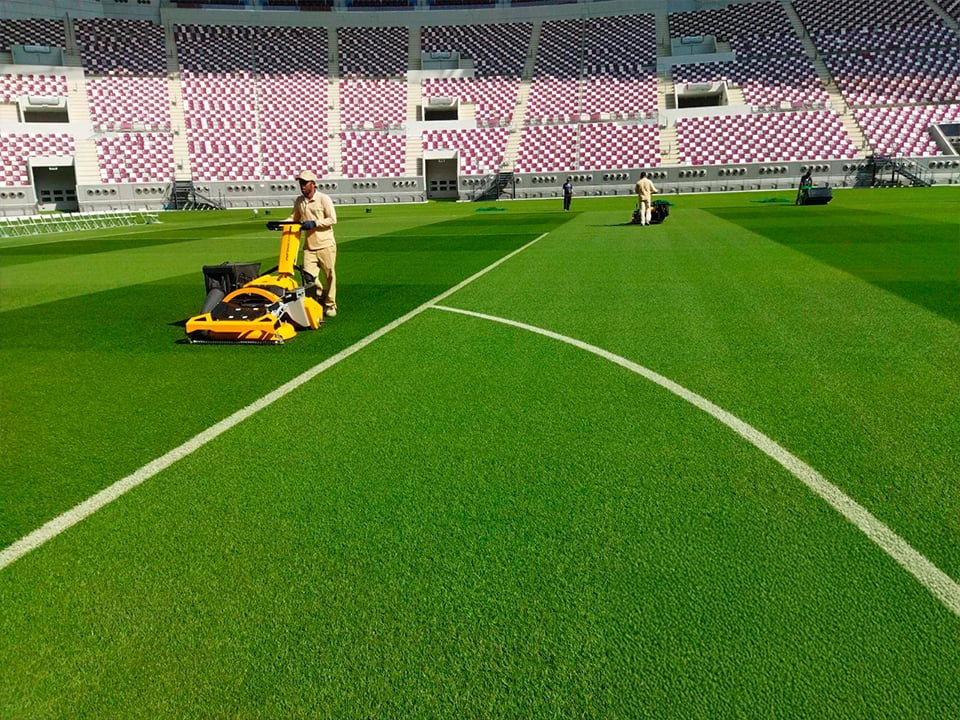 Khalifa International Stadium
Many of our TourTurf® products can give you more value for money, will bring turf quality to a new level, and will make your work more environmentally friendly and sustainable. Warm-season grasses have unique characteristics. Here are some of them you should keep in mind when putting together a maintenance plan:
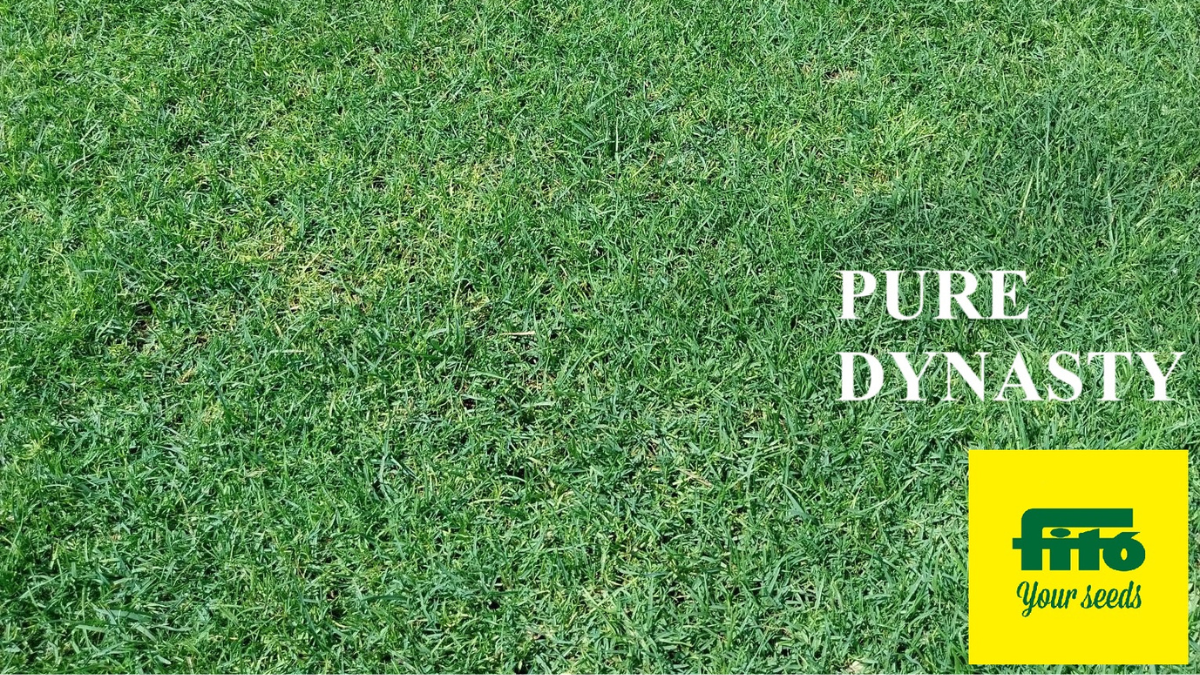
Paspalum (Paspalum spp.):
Paspalum is the most versatile type of warm-season turfgrass. Tolerant of a wide range of mowing heights, Paspalum performs well on greens, tees, and fairways. It is equally suited for sports fields and landscaping. Paspalum is a C4 grass common in the subtropical and tropical parts of Asia, Africa, Australia, and the American continent. It’s also known as Bahia grass or Crown grass.
- Nutrient-loving, 10-15 g N/m2
- According to MLSN, a N:K ratio of 1:1 is recommended
- pH tolerance 5-9
- High salinity tolerance, especially when well established
- Some creeping ability through stolons
- Can be a thatch builder
- Very tolerant of wet soils and low light levels
- Highly recommended for southern zones close to coastlines
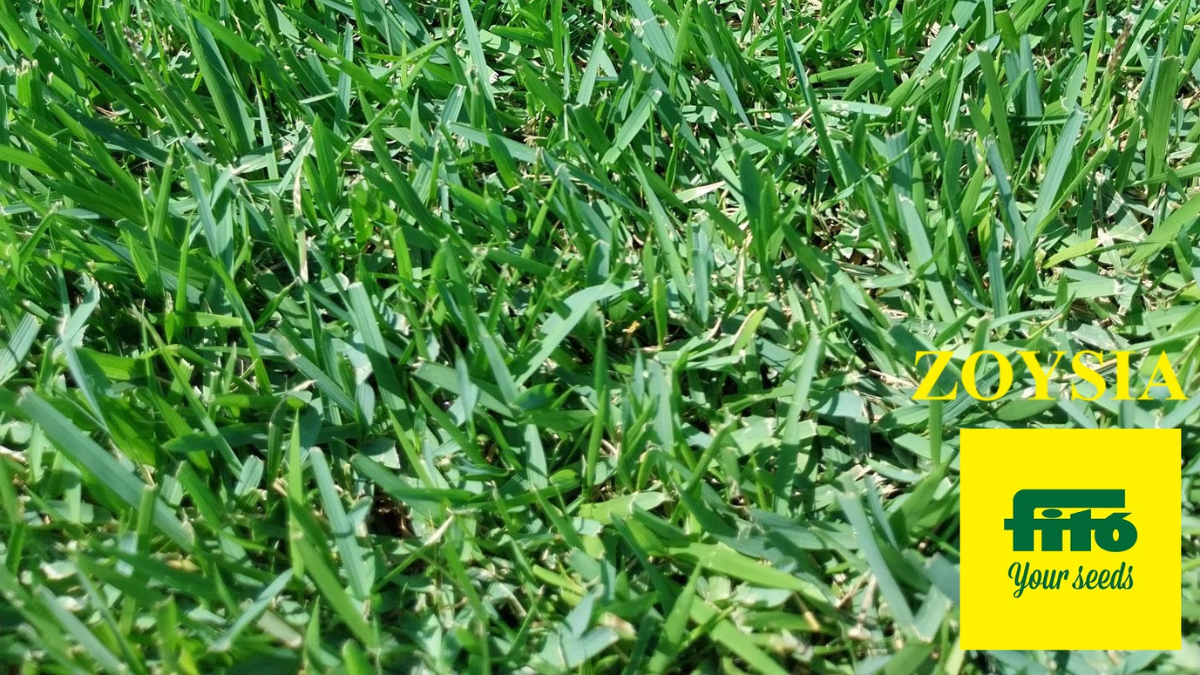
Zoysia grass (Zoysia spp.):
Zoysia grass is a creeping grass very common in Asia and Australia. Often used on tees and fairways.
- Nutrient-loving, 10-20 g N/m2
- According to MLSN, a N:K ratio of 1:0.7 is recommended
- Optimal pH: 6-7
- Salinity tolerant
- Strong creeping ability. Grows both rhizomes and stolons
- Thatch builder. Highest lignin content compared to other grasses
- Slow grow in
- Enjoys full sunlight but has some shade tolerance
- Very temperature and drought tolerant
- The last to go into dormancy and the first to come out of it
- Highly recommended for transition zones
Bermuda grass (Cynodon dactylon):
Also known as crabgrass, it is native to Europe, Africa, Australia, and Asia and can be found worldwide. Very common on golf courses in the southern US and South Africa.
- Nutrient-loving, especially Nitrogen, 10-20 g N/m2
- According to MLSN, a N:K ratio of 1:0.7 is recommended
- Optimal pH: 6-7
- High-growth rate and strong creeping ability; grows both rhizomes and stolons
- Is a thatch builder
- Drought-tolerant, but will go into summer dormancy if not irrigated
- Tolerant to high temperatures, but one of the first to go into dormancy and the last to come out of it
- Mostly recommended for southern zones
The following products are successfully used on warm-season turf around the world:
Fertilisers:
- High in K
- Use when needed
- Use from pre-exit dormancy until a month before dormancy
Contains:
-
Bacillus subtilis, Bacillus licheniformis, Bacillus amyloliquifaciens, Bacillus pumilus, Bacillus megaterium, 2 x 10⁶ cfu/g
-
Bacillus polymyxa, 1.25 x 10⁴ cfu/g
-
Pseudomonas putida, Pseudomonas fluorescens, 4.2 x 10⁴ cfu/g
The DNA IDs of all strains are on file in an international database. They can compete with turf pathogens like the one causing Dollar Spot for nutrients and living space.
- Balanced N:K nutrition
- With additional P
- Helps to increase the microbial activity
Contains:
-
Bacillus subtilis, Bacillus licheniformis, Bacillus amyloliquifaciens, Bacillus pumilus, Bacillus megaterium, 2 x 10⁶ cfu/g
-
Bacillus polymyxa, 1.25 x 10⁴ cfu/g
-
Pseudomonas putida, Pseudomonas fluorescens, 4.2 x 10⁴ cfu/g
The DNA IDs of all strains are on file in an international database. They can compete with turf pathogens like the one causing Dollar Spot for nutrients and living space.
- When High N with organic nutrients and longevity is needed
- Helps to increase the microbial activity
Contains:
-
Bacillus subtilis, Bacillus licheniformis, Bacillus amyloliquifaciens, Bacillus pumilus, Bacillus megaterium, 2 x 10⁶ cfu/g
-
Bacillus polymyxa, 1.25 x 10⁴ cfu/g
-
Pseudomonas putida, Pseudomonas fluorescens, 4.2 x 10⁴ cfu/g
The DNA IDs of all strains are on file in an international database. They can compete with turf pathogens like the one causing Dollar Spot for nutrients and living space.
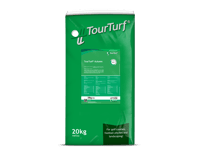
- Especially for Paspalum at high temperatures and high humidity
- Paspalum requires low nitrogen applications to avoid building too much thatch and to avoid turf diseases
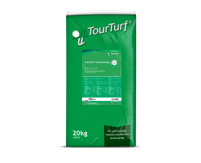
- Balanced mineral nutrition
- With 10% organic material
- For good longevity
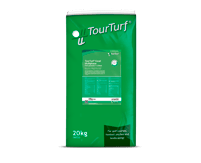
- Balanced slow-release nutrition
- For use in soccer stadiums, on fairways and tees
- Excellent base fertiliser in combination with additional liquid fertilisers
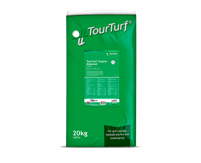
- Balanced organic-mineral nutrition
- For use in hot temperatures
- For even growth and strong plants
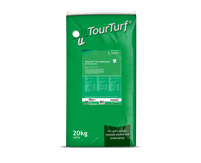
- Balanced organic-mineral nutrition
- For use on fairways as well as larger sports and park facilities
- Slow-release of nutrients
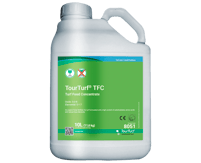
- Organic liquid fertiliser
- With additional P
- With Carbohydrates
- With amino acids
- Increases the stress tolerance
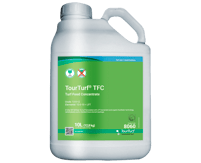
- When things are running smoothly
- Maintenance care to keep things going
- This liquid fertiliser can be tank mixed with most liquid products
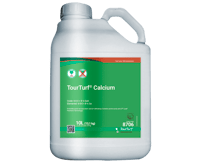
- Reduces Calcium deficiency
- Increases the strength of cell walls
- Helps the plant to cope with heat stress
Fertiliser with physiologically acidic effect:
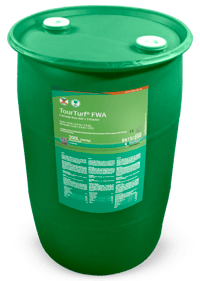
- Used for acidification
- Used for green up
- Triacontanol increases the chlorophyll production
- Is a good complementary product for TourTurf® Organic Warm Season
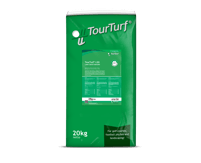
- Used for slight acidification of the top layer
- Used for instant green up
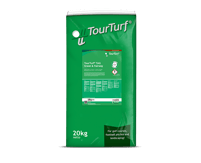
- Is a natural soil conditioner to strengthen the vitality of turf
Bad quality irrigation water and high intensity of irrigation:
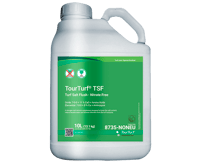
- Helps to reduce bicarbonates without flushing Calcium
- Is used in areas with poor irrigation water
- Is used at coastal locations where salt in the turf root zone is a problem
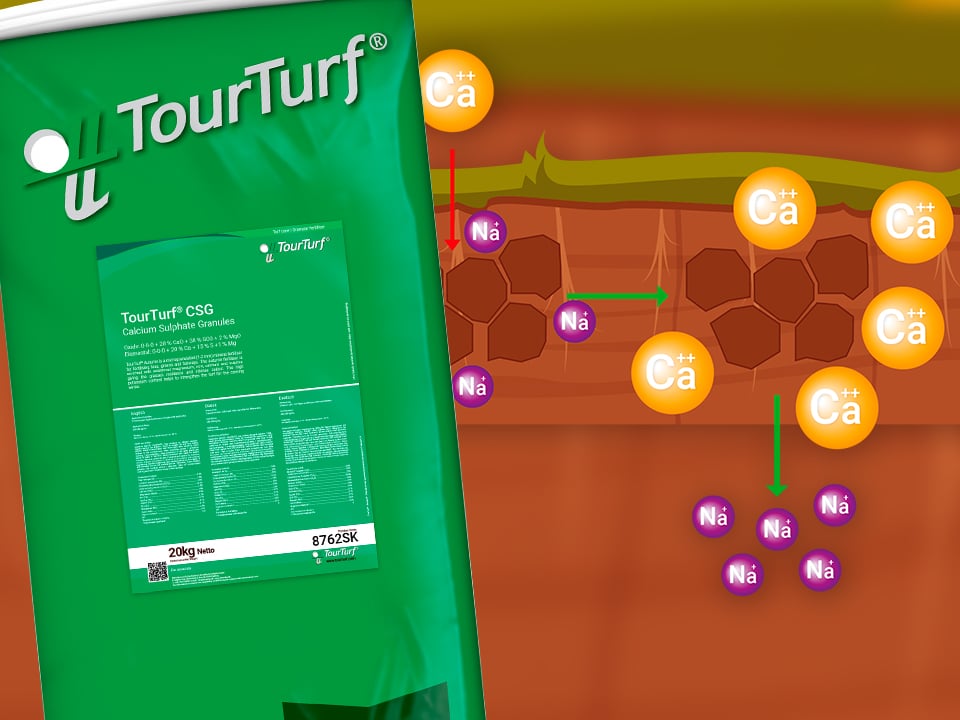
- Removes Sodium and bicarbonates
- Improves soil structure
- Improves water-use efficiency
- Makes it possible to use low-quality irrigation water
Read about the use of the product TourTurf® CSG Calcium Sulphate Granules in this article.
Read about the program on how to reduce salt stress in turf rootzones in this article.
_GB_Mockup_web.webp?width=201&height=163&name=PP_BEG-Black-Earth-Granules_(33138S)_GB_Mockup_web.webp)
- Reduces salt stress
- Balances the soil-pH
- Increases the microbial activity
- Boosts the young plant after germination
- Excellent for divot mixes
- Fast release of humic acids
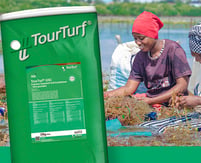
Eucheuma Spinosum seaweed granular from sustainable production in Tanzania.
- Can take up to three times its weight in water
- Increases the microbial activity
- Amino acids for stress relief
Increase the microbial activity and reduce plant stress during heat-, water-, and salt-stress:
- Reduces biotic and abiotic stress significantly
- Originally designed for the Japanese market to make turf as strong as possible before any fungal diseases
- Long-term experience has shown that mixing the product with a liquid fertiliser like TourTurf® TFC Turf Food Concentrate 26-0-0 increases the heat tolerance of greens
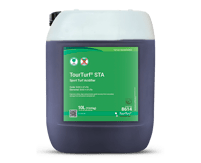
- Versatile
- Slightly acidifying
- Stress reliever
- Has proven itself - even in desert climate
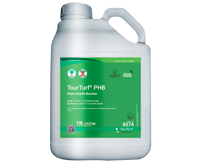
- 18 L-amino acids, improving physiological plant processes during stress
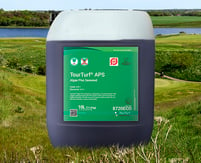
- Plant based 100% organic seaweed extract
- Use in stress conditions
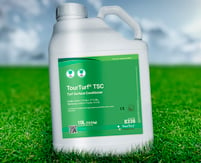
- Quick green-up
- Better growth environment
- Eliminates iron deficiency
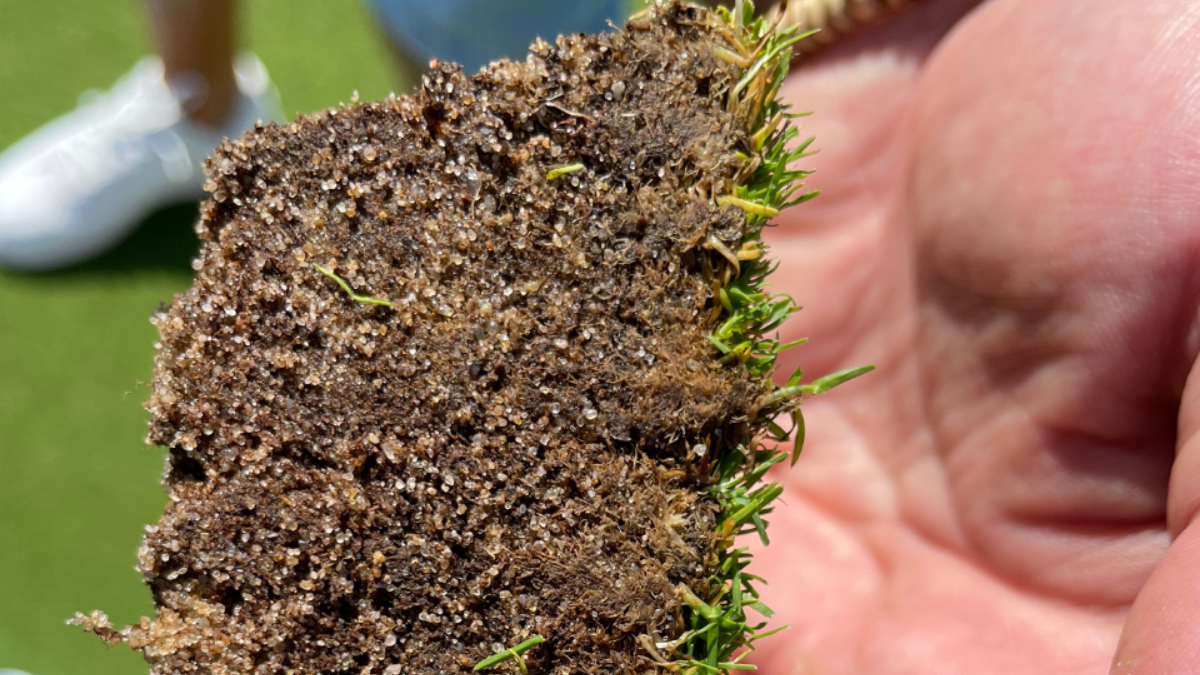
Program to reduce thatch:
- Start one month before the end of dormancy
- Continue monthly applications until entering dormancy again.
Cellulose, hemicellulose and lignin will be degraded by enzymes and enzyme producing fungi.
Nutrients that are made available can be used directly by the plants for cell growth.
- Organic sugars
- Increase the activity of soil microbes
- Chemically bound oxygen
- Will increase the activity of aerobe microorganisms
- Contains enzymes to break down cellulose and hemicellulose
Contains:
-
Bacillus subtilis, 1.25 × 10⁹ cfu/ml
-
Bacillus licheniformis, 1.25 × 10⁹ cfu/ml
-
Bacillus amyloliquifaciens, 1.25 × 10⁹ cfu/ml
-
Bacillus pumilus, 1.25 × 10⁹ cfu/ml
The DNA IDs of all strains are on file in an international database. They can compete with turf pathogens like the one causing Dollar Spot for nutrients and living space.
- Contains a fungi package
- Those fungi produce thatch- and lignin-degrading enzymes
Contains:
-
Bacillus subtilis, 2.00 x 10⁸ cfu/g
-
Bacillus licheniformis, 1.00 x 10⁹ cfu/g
-
Bacillus amyloliquifaciens, 2.00 x 10⁸ cfu/g
-
Bacillus pumilus, 2.00 x 10⁸ cfu/g
-
Bacillus megaterium, 2.00 x 10⁸ cfu/g
-
Bacillus polymyxa, 1.00 x 10⁸ cfu/g
-
Pseudomonas putida, 2.20 x 10⁸ cfu/g
-
Pseudomonas fluorescens, 2.20 x 10⁸ cfu/ml
-
Trichoderma viridae, 2.25 x 10⁷ cfu/g
-
Trichoderma reesei, 2.25 x 10⁷ cfu/g
The DNA IDs of all strains are on file in an international database. They can compete with turf pathogens like the one causing Dollar Spot for nutrients and living space.
Turf Paint:
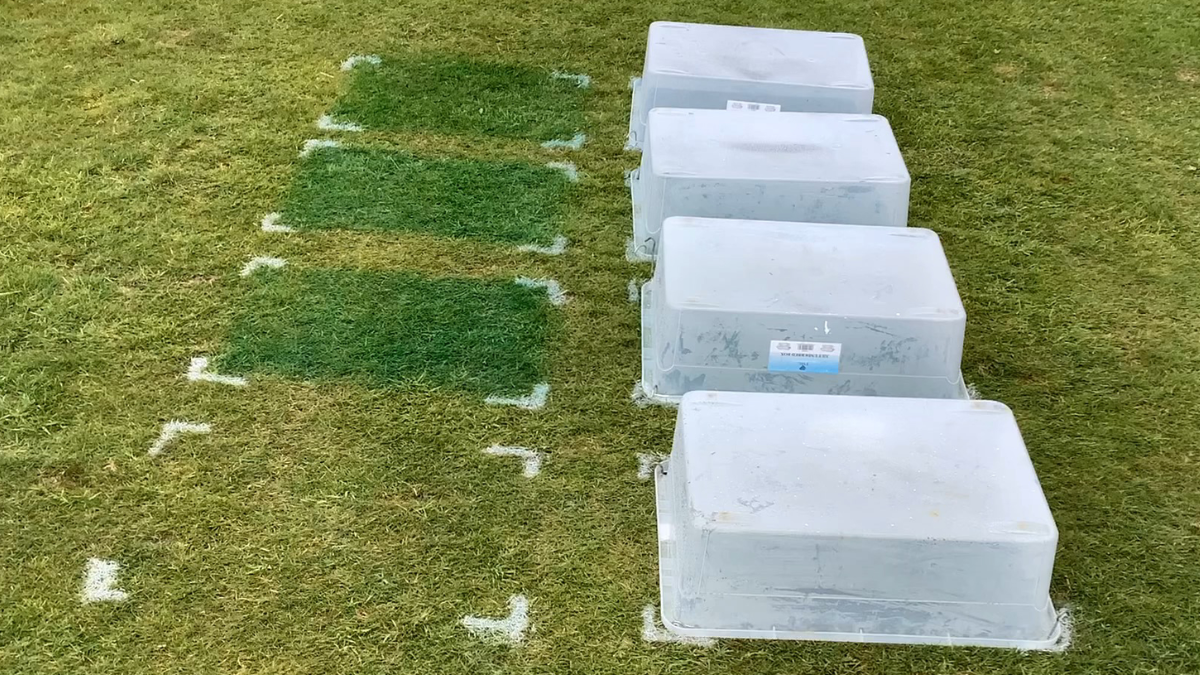
- Reduces UV stress
- Can be used during dormancy to improve turf colour
- Can be used in and out of dormancy to improve surface temperature and improve growth