

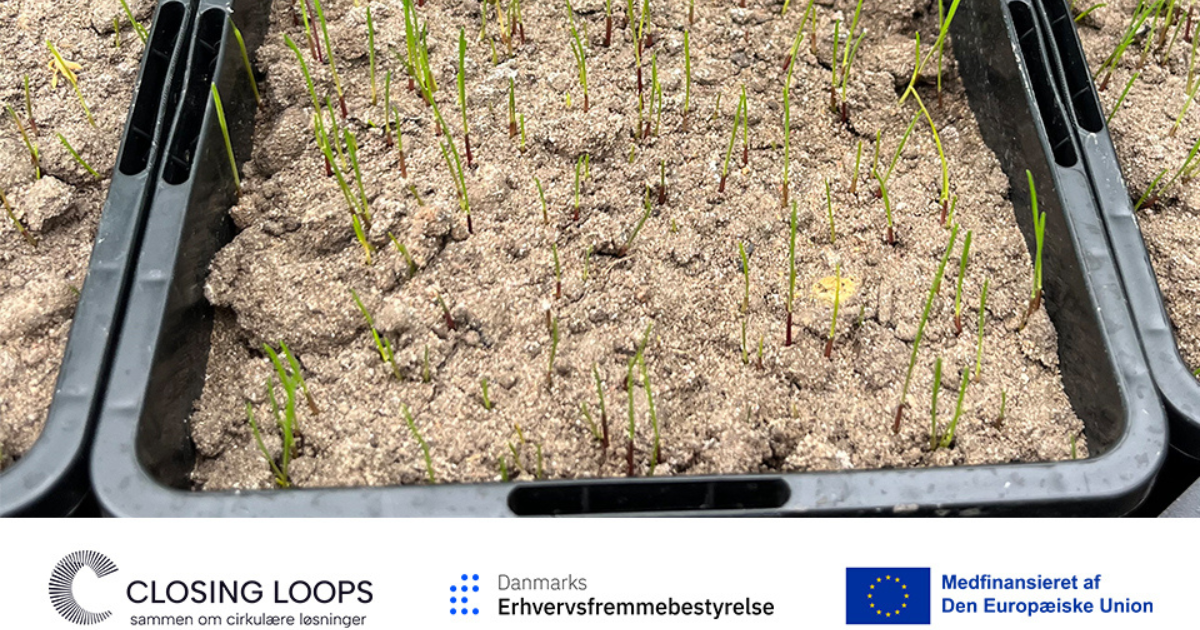
Biochar could be a game-changer for both carbon storage and turf performance—and Denmark's leading the way.
Denmark is actively exploring innovative ways to reduce its carbon footprint. One of the country’s key challenges lies in agriculture, which contributes around 22% of total greenhouse gas emissions—19% of which are attributed to cattle farming. The solutions being developed could have far-reaching benefits for global sustainability efforts.
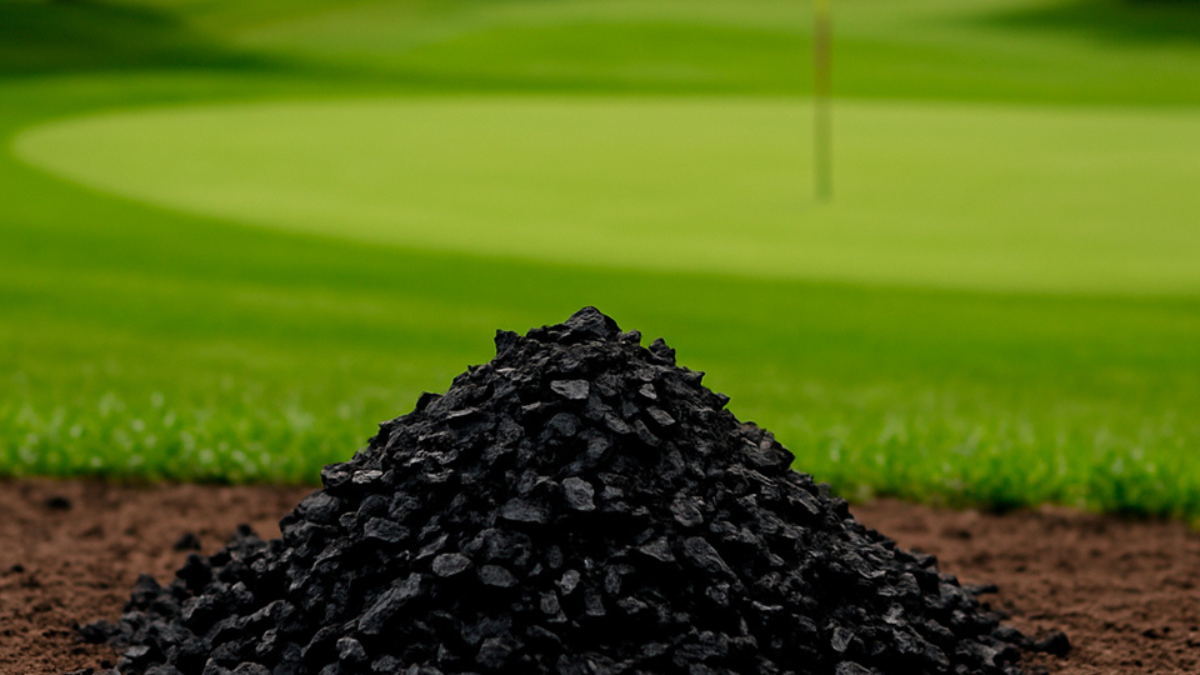
One promising approach is the use of pyrolysis, a thermal process that in the absence of oxygen converts organic material into biochar, gas, and oil. While pyrolyzing all agricultural biomass isn’t realistic, studies suggest that large-scale use could cut agriculture’s carbon footprint in half. Now, Danish researchers and industry partners are exploring how biochar could benefit not just farming—but also turf management.
We at E. Marker A/S are excited to investigate how to reuse biomass while achieving long-term carbon storage and if biochar is suitability for the turf market.
This research is conducted in close collaboration with Closing Loops, a platform dedicated to sustainable biomass reuse and supported by the EU.
The Danish pilot project highlights the synergistic power of science, farming, and industry to tackle one of our most urgent global challenges: sustainable land management and climate change mitigation.
The Closing Loops Pilot Project
This potential is being explored in an ongoing project supported by the EU in a collaboration of different Danish companies working together in the program Closing Loops. The pilot site—an experimental cattle farm with about 700 animals—produces roughly 10,000 tonnes of biomass waste each year, including manure, grass pulp, straw, and stubble.

The biomass is first subjected to aerobic fermentation in a specially designed composting reactor—a large container that provides continuous aeration and mixing. Gases released during composting are captured in a closed-loop biofiltration system. More than 90% of emissions are absorbed in water and stripped of ammonia, ensuring minimal environmental impact. This process also removes 70–80% of the biomass's moisture content.

Following this, the material is further dried using infrared (IR) pre-drying and then introduced into a pyrolysis reactor. Here, in the absence of oxygen, the biomass is transformed into biochar, along with by-products like syngas and pyrolysis oil. The biochar is then ready for application in agriculture and turf.

What is Biochar?
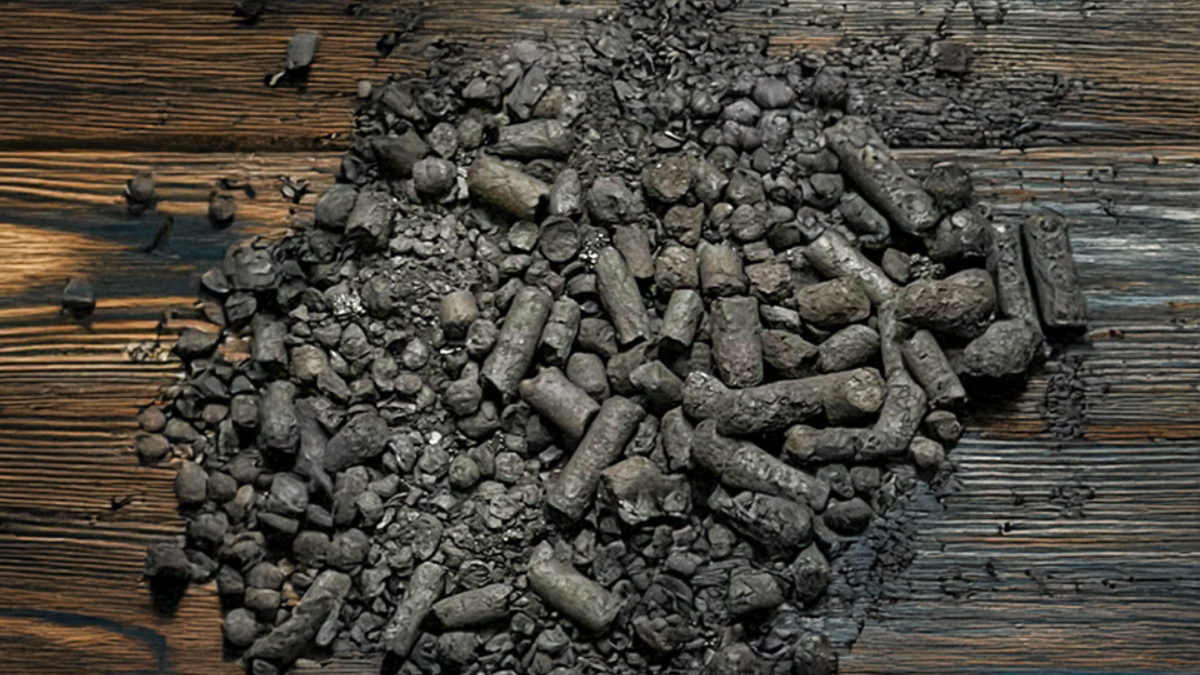
Biochar is a carbon-rich, stable material made from heating organic biomass at high temperatures in low-oxygen conditions. Its porous structure provides an ideal habitat for beneficial soil microbes such as bacteria and mycorrhizal fungi.
Key benefits for turf soils include:
-
Improved structure and aeration
-
Enhanced water retention and drainage balance
-
Greater nutrient-holding capacity
-
Reduced nutrient leaching
-
Better microbial activity and root health
-
Moderated soil pH and binding of harmful compounds
These properties could make biochar a powerful biostimulant for turf, supporting healthier root zones, higher turf quality, and reduced fertiliser run-off.
What the Research Says
Several studies offer insights into biochar’s turf potential:
Deshoux et al. (2023): Biochar can boost soil microbial biomass and diversity, but results vary depending on biochar type, soil, and management practices.
Montgomery et al. (2024): No difference in tall fescue establishment under ideal conditions, but biochar benefits may be greater during drought or nutrient limitations.
XiaoXiao Li et al. (2018): Adding 10% rice-husk biochar to sand-based rootzones improved porosity, water retention, seed germination, and early growth of Agrostis stolonifera.
Takeaway: Biochar’s advantages are most visible under stress conditions, making it especially relevant for sandy soils, drought-prone areas, and low-input maintenance.
E. Marker A/S Contribution to the Project
E.Marker A/S, owner of the brand TourTurf®, is an active contributor to this project. E.Marker A/S is involved in setting product specifications, conducting preliminary performance trials, and assessing biochar’s impact on soil conditioning and turf growth.
Growth Room Trials
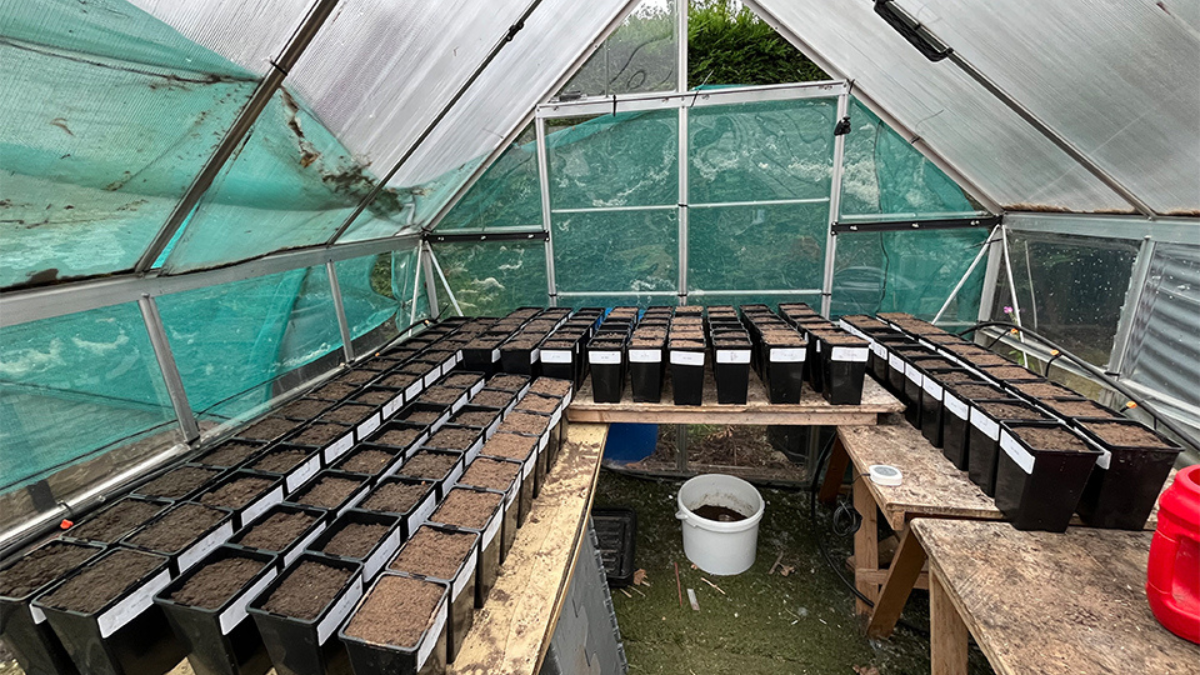
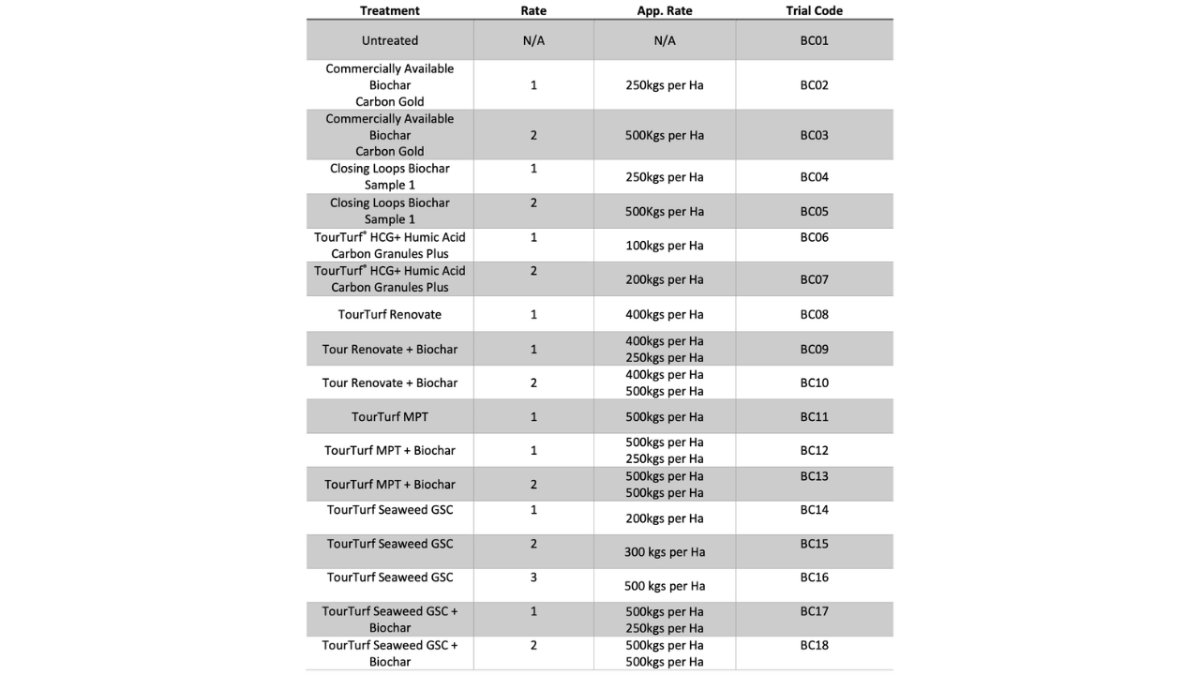
In an initial phase to investigate the potential of biochar as a biostimulant for turf, a growth room trial was started to assess and compare the growth and rooting development of turf treated with biochar and several product combinations including other TourTurf® soil improvers at various rates to an untreated control. Early evaluations focus on shoot growth, root development, and nutrient retention.
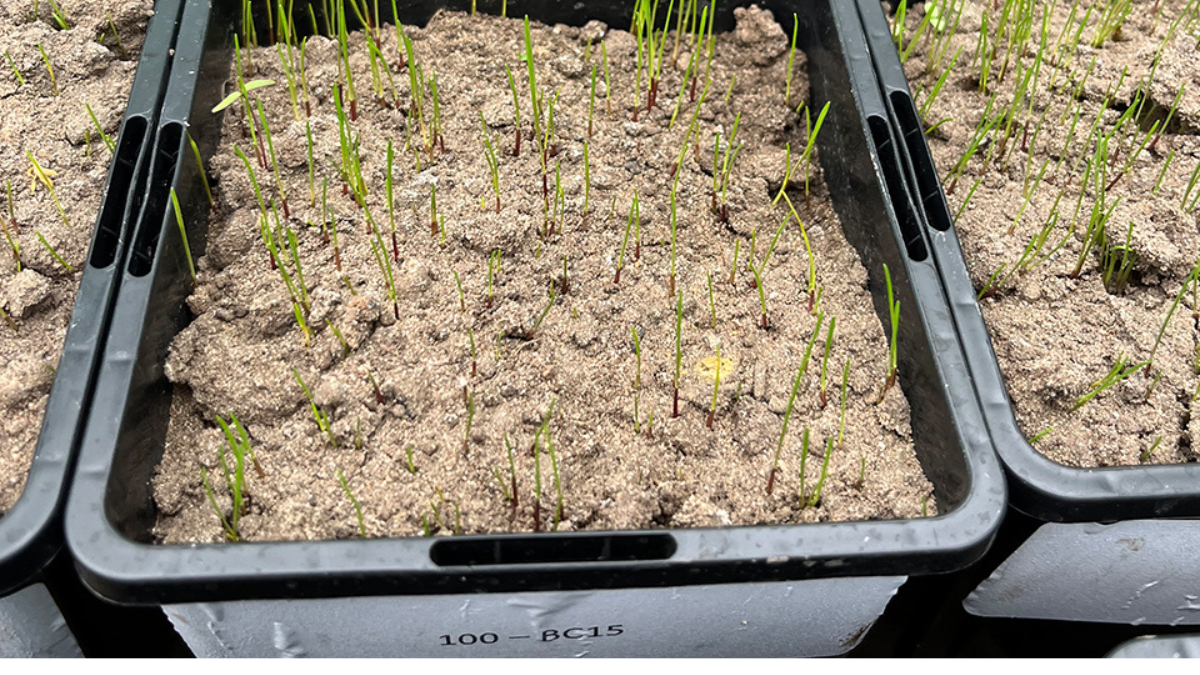
Rye grass is used as a model plant. Rye grass or Lolium perenne is commonly used for fairways and pitches. For the pot trials, a sand-soil potting mix is used. Halfway through the trial, it will be evaluated if a standard turf fertiliser will be applied to mimic a normal program.
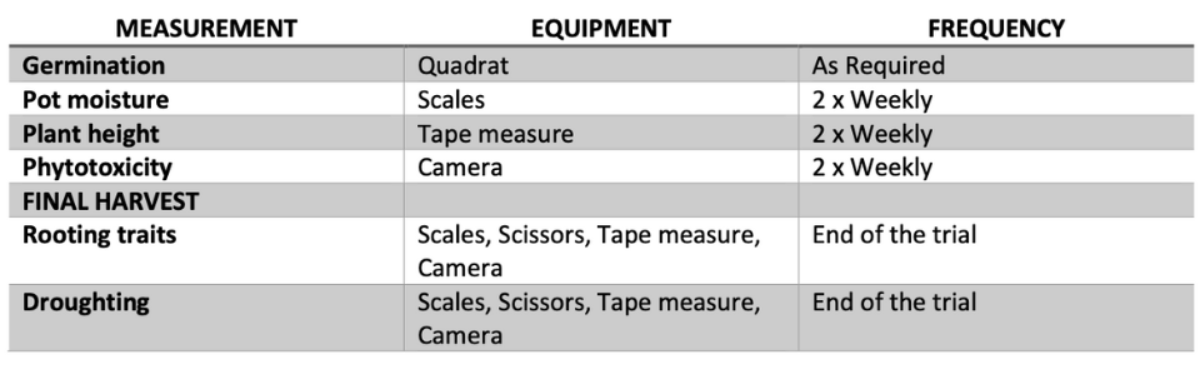
The trial tests 18 different treatments with five replicates each, tracking:
-
Germination rate
-
Plant height and moisture levels (twice weekly)
-
Root mass and plant biomass at harvest
-
Performance under simulated drought stress
The goal is to quantify how biochar can enhance growth, rooting, nutrient retention, and drought resilience in professional turf settings.
Looking Ahead
Biochar is still in the early stages of turf research, but the signs are promising. By combining carbon storage with potential soil health improvements, it offers a rare win-win for both the environment and turf managers.
As this Danish pilot project progresses, we’ll share results and practical guidance on how biochar can be integrated into turf maintenance programmes.
Information from Available Research:
Deshoux et al. (2023) conducted the first-ever meta-analysis focusing on how biochar amendments affect soil microbial biomass and diversity across a wide set of experimental conditions. The study found that: “We demonstrated that a large panel of variables corresponding to biochar properties, soil characteristics, farming practices or experimental conditions, can affect the effects of biochar on soil microbial characteristics.” (Deshoux M, Sadet-Bourgeteau S, Gentil S, Prévost-Bouré NC. Effects of biochar on soil microbial communities: A meta-analysis. The Science of the Total Environment. 2023 Dec;902:166079. https://doi.org/10.1016/j.scitotenv.2023.166079)
Montgomery et al. (2024) could not find any differences in tall fescue establishment rates from biochar application compared to untreated soils. The authors note:” The beneficial effects of biochar, such as increases in water and nutrient holding capacity, are more prominent when water and nutrients are limited. Turf managers may wish to utilize biochar and compost products to reduce the negative impacts of necessary irrigation reductions when turf has matured.” (Montgomery, J.; Crohn, D.; Schiavon, M.; Silva Filho, J.B.; Leinauer, B.; McGiffen, M.E., Jr. Effects of Biochar and Compost on Turfgrass Establishment Rates. Agronomy 2024, 14, 960. https://doi.org/10.3390/agronomy14050960) The differences might be more obvious under stress condition, as with many biostimulants.
XiaoXiao Li et al. (2018) studied how to improve the properties of sand based turf rootzones with rice-husk biochar for the growth of Agrostis stolonifera. They found that “total porosity and capillary porosity, water retention, and saturated hydraulic conductivity were significantly increased in proportion to rice-husk biochar. Sand-based rootzone amended with 10% of rice-husk biochar promoted the seed germination and young seedling growth with the significantly higher growth rate, leaf emergence rate, shoot and root biomass, and turf coverage than the control.” (XiaoXiao Li, XuBing Chen, Marta Weber-Siwirska, JunJun Cao, ZhaoLong Wang, Effects of rice-husk biochar on sand-based rootzone amendment and creeping bentgrass growth, Urban Forestry & Urban Greening, Volume 35, 2018, Pages 165-173, ISSN 1618-8667, https://doi.org/10.1016/j.ufug.2018.09.001.)